
Triple Track Sliding Doors Buyer’s Guide, Layouts & More
Table of Contents
An Introduction to Triple Track Sliding Doors
The Mechanics of a Three-Track System
Each glass panel sits on its own dedicated track, which allows one to glide smoothly behind another without obstruction. Instead of two sashes meeting in the centre, as is the case in standard sliding doors, three panels can be moved independently along the frame.
Because every pane is supported on a separate rail, the doors don’t need to stack outward or fold back, which keeps the movement simple and controlled. For homeowners comparing options, this is the defining feature that separates triple track sliding doors from more conventional designs.
How Much of an Opening Can You Create?
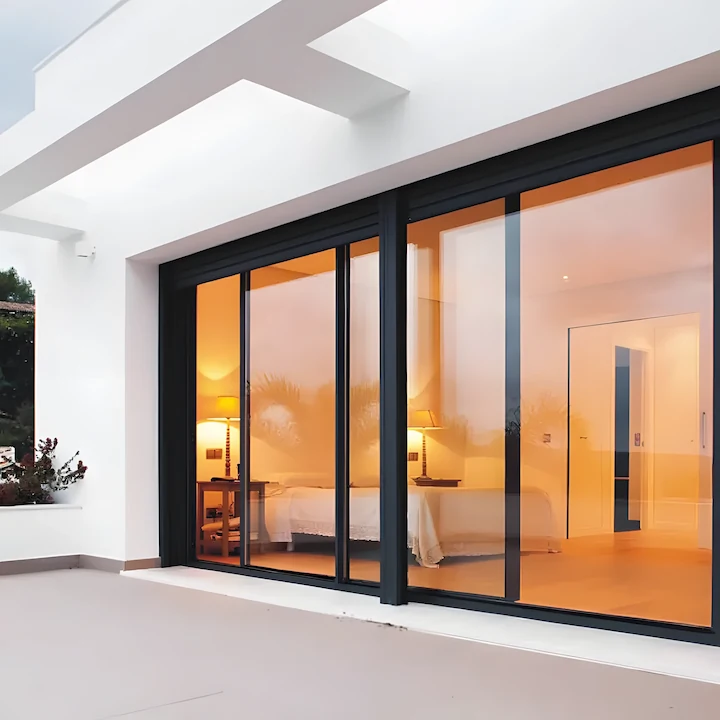
With 3 panel sliding patio doors on a triple track system, as much as two-thirds of the frame can be opened at any one time, whereas a two-panel configuration only allows half the width of the aperture to be used. Large sizes also bring other design choices; for instance, 4 panel sliding patio doors on a triple track can be arranged so that three panes slide across, leaving one fixed, to extend that clear opening further.
For properties wanting a wide aperture without the complexity of folding mechanisms, this arrangement provides a practical balance between openness and usability.
Common Locations in a UK Home
Kitchens extended into the garden often make the most of triple track sliding patio doors, as the system highlights long spans of glazing while keeping the track depth to the threshold.
Open-plan living rooms with access to terraces or patios are another popular setting, where the uninterrupted sightlines are especially valued.
In family homes, these systems are also frequently chosen to replace older patio doors in conservatories or garden rooms, where the slim profiles and extra glass width of modern frames provide a clear upgrade on past designs.
A Note on Frame Design
Thinner aluminium profiles allow for larger glass panes, which is why slimline sliding patio doors are often supplied in a triple track system. More glass and less visible frame inevitably widen the view outwards and bring increased natural light into the room.
When comparing against hinged options such as French doors, the difference is immediately noticeable, as the fixed side panels and framework on those designs restrict the amount of clear glazing available.
For anyone looking at expansive openings, slimline options in a triple track set-up can achieve much broader sightlines while remaining sturdy and durable.
The Practical Advantages of Wider Openings
Views and Natural Light
Large panes in triple track sliding doors often use slimmer frames than older aluminium or uPVC systems, meaning less obstruction across the glass. The result is a wider expanse of glazing that pulls more daylight into the house. In overcast British weather, this added brightness can make spaces feel more open and welcoming.
Slim profiles also reduce the number of vertical sightlines, giving a clearer view of the garden or surrounding landscape compared to French doors or standard patio sliders with chunkier mullions. When closed, the uninterrupted glazing is one of the most noticeable distinctions from bifold doors, where multiple panels and hinges break up the outlook.
A Space-Efficient Design for Patios and Interiors
Triple track sliding patio doors don’t intrude into the room or across an outside terrace because they move within the depth of the frame. That makes them a logical choice in areas where furniture is positioned close to the opening, such as compact dining zones or smaller patios
Standard hinged doors, however, need space to swing, which can restrict how furniture is placed. Bifold doors require an area to stack when open, which can block a portion of wall space that might otherwise be used for storage or seating. Sliding garden doors built on a triple track, avoid these compromises by keeping the movement contained within the track system.
Flexibility for Daily Use and Entertaining
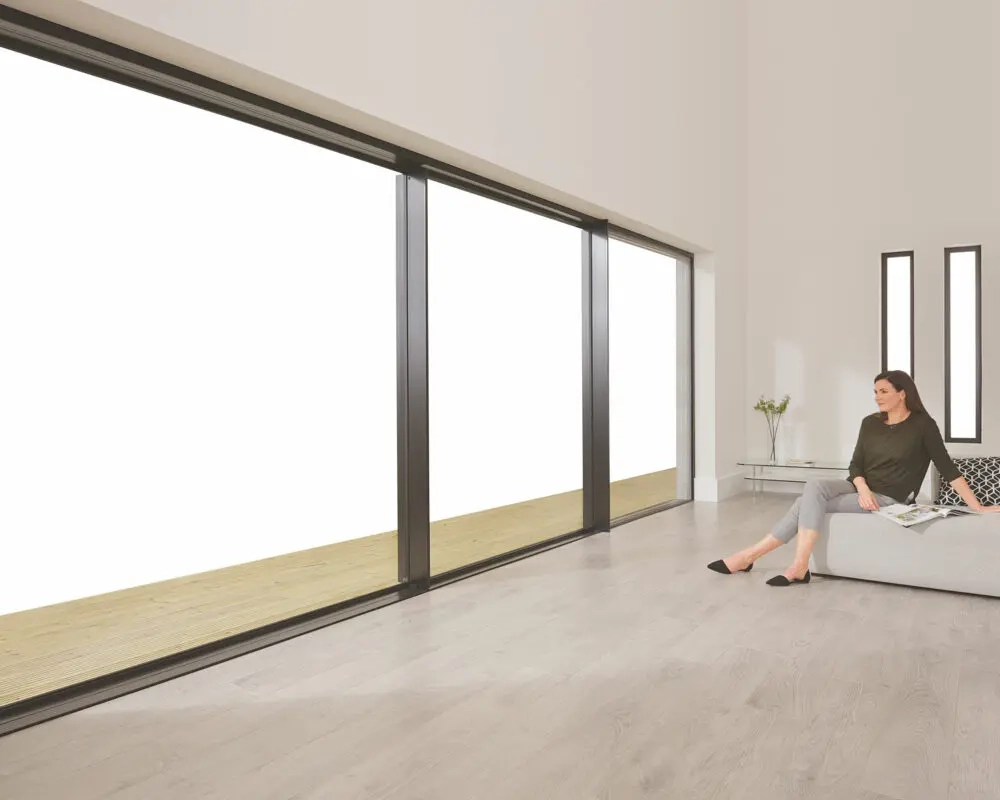
A wide aperture encourages airflow in summer, but the design also allows a single panel to be moved for everyday access. Families often use this partial opening for pets or quick trips outside, saving the effort of operating the full set.
When the panels are all slid across, the system creates a broad gap, which works well for barbecues, gatherings, or simply enjoying time outside from the living area. Triple track sliding doors offer this dual use in a way that bifolds cannot always match; while bifolds excel at opening up fully, folding several panels to one side can feel impractical for quick access.
Seasonal Use and Practicality
In colder months, the large glass areas provide uninterrupted views of the garden without exposing the room to draughts. Modern glazing options, such as low‑emissivity coatings and argon-filled units, help maintain warmth despite the increase in glass surface compared to traditional hinged alternatives.
Triple track sliding doors are also commonly designed with low thresholds, which reduce tripping hazards and make day‑to‑day access easier when moving between home and garden. These details may seem minor, but they contribute to why people choose sliding systems for long-term usability as much as for the expansive views they provide.
Choosing Between Triple Track Sliding Doors and Bifold Doors
Modern design approaches have moved beyond treating doors as mere practical necessities. 2.5 metre bifold doors serve as architectural features that shape the character of your living space, merging practical requirements with visual appeal.
The View When Open Versus Closed
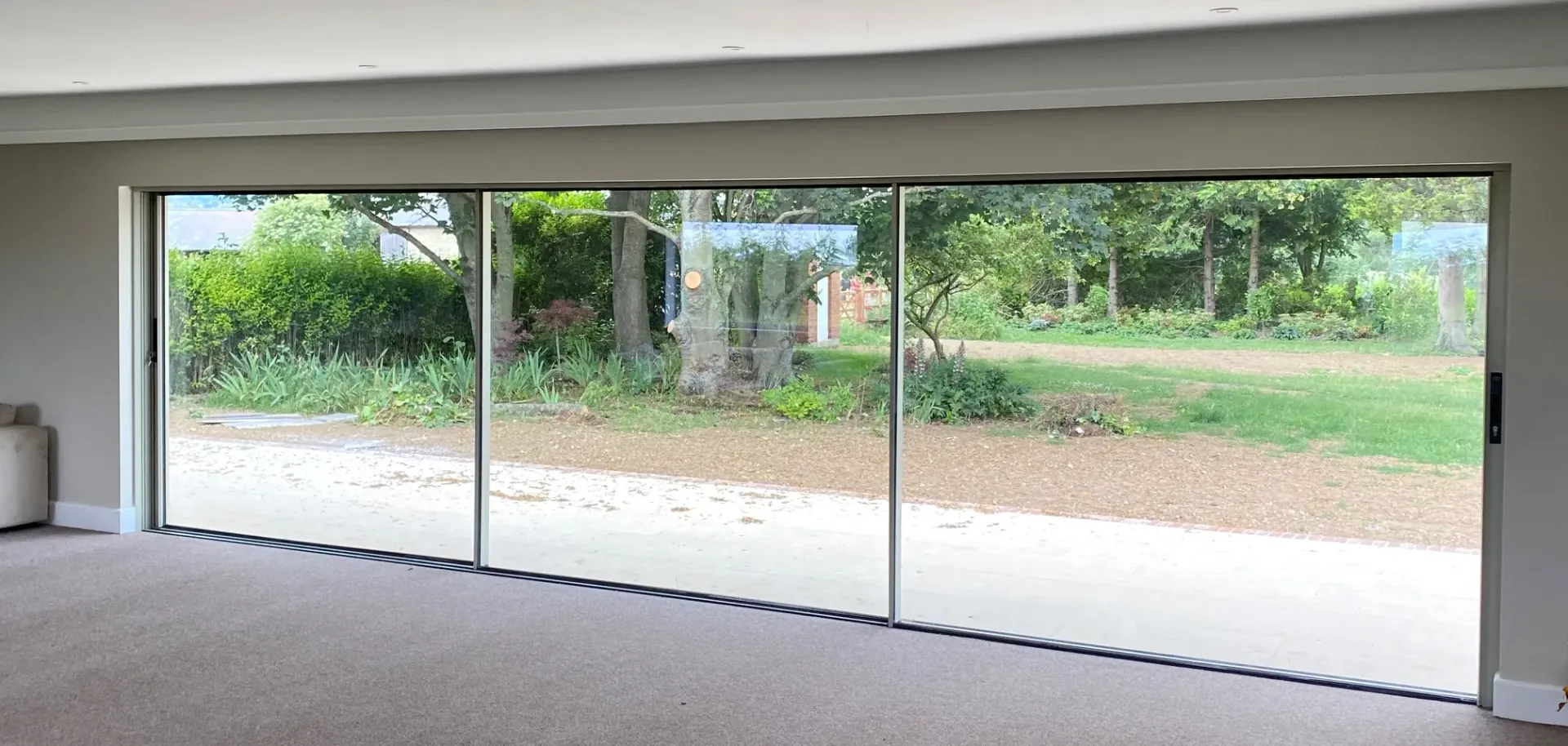
When closed, triple track sliding doors usually provide a wider uninterrupted view because of fewer vertical lines and larger glass areas. Bifolds, however, give the advantage once opened, as their panels fold away almost entirely to one side, leaving the aperture free of any fixed panes.
Homeowners often have to decide whether the priority lies with the clarity of the outlook during everyday use or with the complete openness achieved when entertaining or linking indoors with a garden. Large sliding glass patio doors provide a middle ground here, offering impressive glazing widths while still allowing a wide portion of the space to be opened.
Impact on Your Garden and Room Layout
The stacking method of bifold doors introduces a bulkier section of folded panels that remain visible and may restrict use of adjacent areas. With triple track sliding patio doors, the panels glide across in front of each other and rest within the frame, which prevents the need for clearance on the inside or outside.
For rooms furnished close to the boundary wall, or patios with limited depth, the sliding approach avoids rearranging furniture simply to accommodate how the system works. Even large bifolds can eat into garden space by projecting outward, something sliding systems sidestep entirely by keeping movement parallel to the wall.
Matching a Modern or Traditional Property
Design preference often dictates the choice as much as practicality. The slim framing and clean horizontal movement of 3 track sliding doors usually fit contemporary properties, especially modern extensions with flat roofs and wide openings.
Bifold doors often appeal to those wanting a more traditional feel, with narrower panels that echo the look of multiple casement windows. The visual impact of stacked bifolds can work well with rustic cottages or period-style homes, where the architectural detailing supports a busier frame design.
For urban new builds, though, sliding systems often remain the default due to their understated appearance and continuous glazing.
What About Standard Patio Doors or French Doors?
Beyond bifold and triple track sliding doors, homeowners might also weigh up French doors or conventional patio sliders. Classic French doors open wide but always need clearance to swing into or out of the room, which can be awkward in tight spaces.
Standard two-panel sliders use less framing than French doors but only expose half of the opening at any one time. Triple track patio doors extend that width by allowing more than one panel to slide across, offering a better compromise for anyone who wants an expansive aperture without adopting a folding design.
Are They Always the Right Choice?
When the Full Opening Is a Priority
People aiming for a completely clear aperture tend to lean towards bifolds rather than triple track sliding doors. Sliding systems leave at least one pane fixed, so part of the frame always remains in view regardless of how wide the rest can be opened.
That said, the smoother operation and uninterrupted glazing provided by sliding designs usually outweigh this drawback for everyday use. Much depends on whether the need for unrestricted access is occasional or constant, as bifolds demand more effort to fold away several panels whenever the entire opening is required.
Suitability for Different Aperture Sizes
Triple track sliding patio doors show their strengths in wide spans, where the system’s ability to move multiple panes behind each other feels natural and efficient. On narrower openings, the benefits reduce because most of the span is often taken up by one movable panel sliding past a fixed pane, making them less practical.
French doors or two-panel sliders will often feel more proportionate in these cases while preserving plenty of glass. In modern extensions that use large apertures, modern sliding doors are often chosen specifically because their slim frames and expansive glazing work well with architectural trends for open, light-filled spaces.
Balancing Width and Daily Use
Glazing companies usually recommend triple track sliding doors once a span becomes wide enough to benefit from multiple tracks, as pushing several larger panes aside at once allows much of the frame to be opened. A modest aperture may not justify such a system, but once the scale increases the design becomes an asset.
Families often find that sliding a single panel for quick access is easier than folding an entire bifold stack, so daily use remains straightforward. The trade-off for not achieving a completely open wall is offset by the practicality and large glazed areas the sliding mechanism supports.
Configuring and Living With Triple Track Sliding Doors
Popular Panel Arrangements
Triple track sliding doors are usually supplied in layouts where either all panels move to one side or where a central fixed pane is flanked by two sliding panels. The choice often depends on the width of the aperture and which side of the wall offers the most practical stacking area.
For wider spans, extra panels can be added, with all but one sliding behind each other to expose as much of the opening as possible. Homeowners selecting 3 track sliding patio doors often weigh up which wall space they want to keep clear, since that determines where the fixed element will sit. In every case, the tracks allow multiple panels to operate without projecting into or outside of the room.
Planning Your Room and Garden Furniture
Furniture placement is easier to plan with triple track sliding patio doors than it is with bifold or French door systems. Since no swing arc is required, dining tables, sofas, or outdoor seating can be placed close to the opening without risk of interfering with movement.
Patio heaters or planters also stay usable spaces beside the threshold, as the sliding panels remain confined within the tracks. In a kitchen extension, for example, this can make it simpler to position an island unit close to the glazing without losing walking space when the panels are in use.
Kitchen extension sliding doors also work well for homes that rely on compact patio or terrace areas, since nothing projects outward into usable garden space.
Day-to-Day Practicalities for Families
Quick access is one of the most cited reasons people choose sliding designs. Triple track sliding doors let you move just one panel for stepping outside, which is convenient when carrying shopping, letting pets in or out, or moving between kitchen and terrace during mealtimes. Where bifolds require folding an entire section, sliding operation feels lighter and more manageable for daily use.
Maintenance remains straightforward too, often limited to keeping the tracks clear of debris and occasionally checking the rollers for smooth movement. Glass cleaning is no different from standard large windows, with manufacturers usually finishing frames in powder-coated aluminium for long-lasting durability.
Performance Across the Seasons
Triple track sliding doors provide visual connection to the garden during winter without losing the sense of openness that wide glazing delivers in summer. Double or even triple glazed units are common, often with low-e glass to improve thermal regulation.
When the colder weather sets in, this type of glazing helps reduce heat loss compared to older patio door systems, keeping interior spaces warmer. In warmer months, opening two or three panels encourages airflow through the house, while leaving one panel closed helps shield from breezes.
The adaptability across seasons is one reason triple track systems continue to be specified for large extensions and full-width openings.
We’d Love to Help You
Vision Glass Doors is a designer, manufacturer, and installer of premium door systems. We are a family run business with over 20 years’ experience and 10,000 installations across the UK.
Our leading range of door systems include Ultra Slim – Slide and Turn Doors, Slimline Sliding Patio Doors and Frameless Glass Doors. Suitable for various internal and external applications, they are applicable to residential and commercial projects.
Click Quick Quote Online for a free quotation within 24 hours. Alternatively, call or email us on 01582 492730 or at info@visionglassdoors.co.uk.